Why Your Garage Door Won't Open or Close All the Way
July 30, 2026
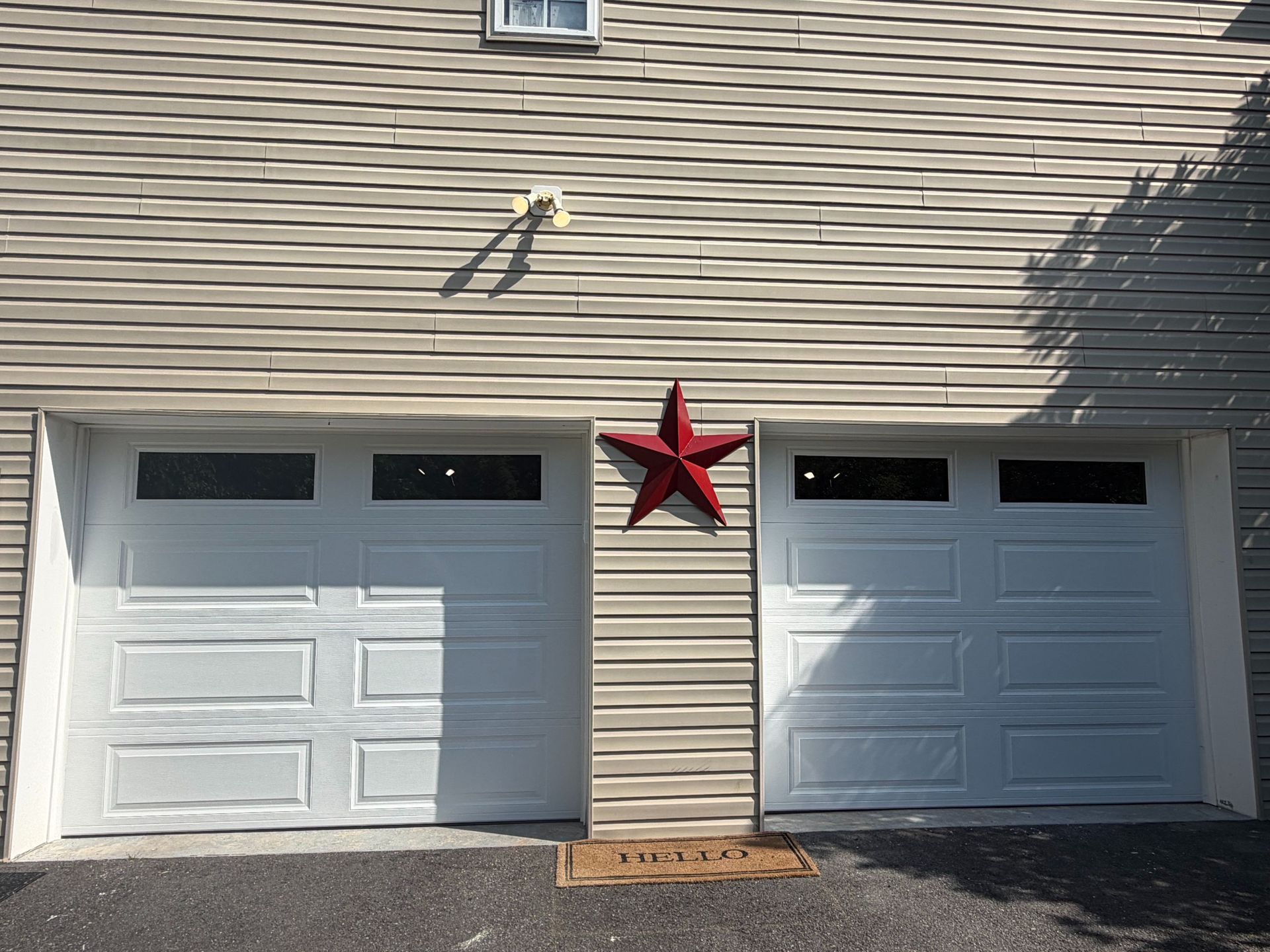
You hit the button, the door starts moving, and then it just quits. Maybe it drops most of the way down, taps the floor, and rolls right back up. Maybe it climbs halfway, shudders, and stops with daylight still showing at the bottom. Either way, you are now standing in the driveway with a door that refuses to finish the job, and a car you cannot get in or out.
A door that won't open or close all the way is one of the most common calls we handle across the Piedmont Triad, and the cause usually traces back to a handful of specific parts. Some of those you can check yourself in a couple of minutes. Others involve components under extreme tension that are flat-out dangerous to touch. Knowing the difference is the whole game.
Quick Answer: A garage door that won't close all the way is most often caused by blocked or misaligned photo-eye safety sensors, incorrect travel-limit settings on the opener, or an obstruction in the track. A door that won't open all the way usually points to a broken or weak spring, a frayed or slipped cable, worn rollers, or a bent track. Sensor and limit issues are the friendliest to diagnose. Spring and cable problems are under high tension and should never be handled as a do-it-yourself repair.
Start by Figuring Out Which Problem You Actually Have
"Won't open" and "won't close" feel like the same complaint, but they point at different parts of the system, so the first step is to notice exactly what the door does.
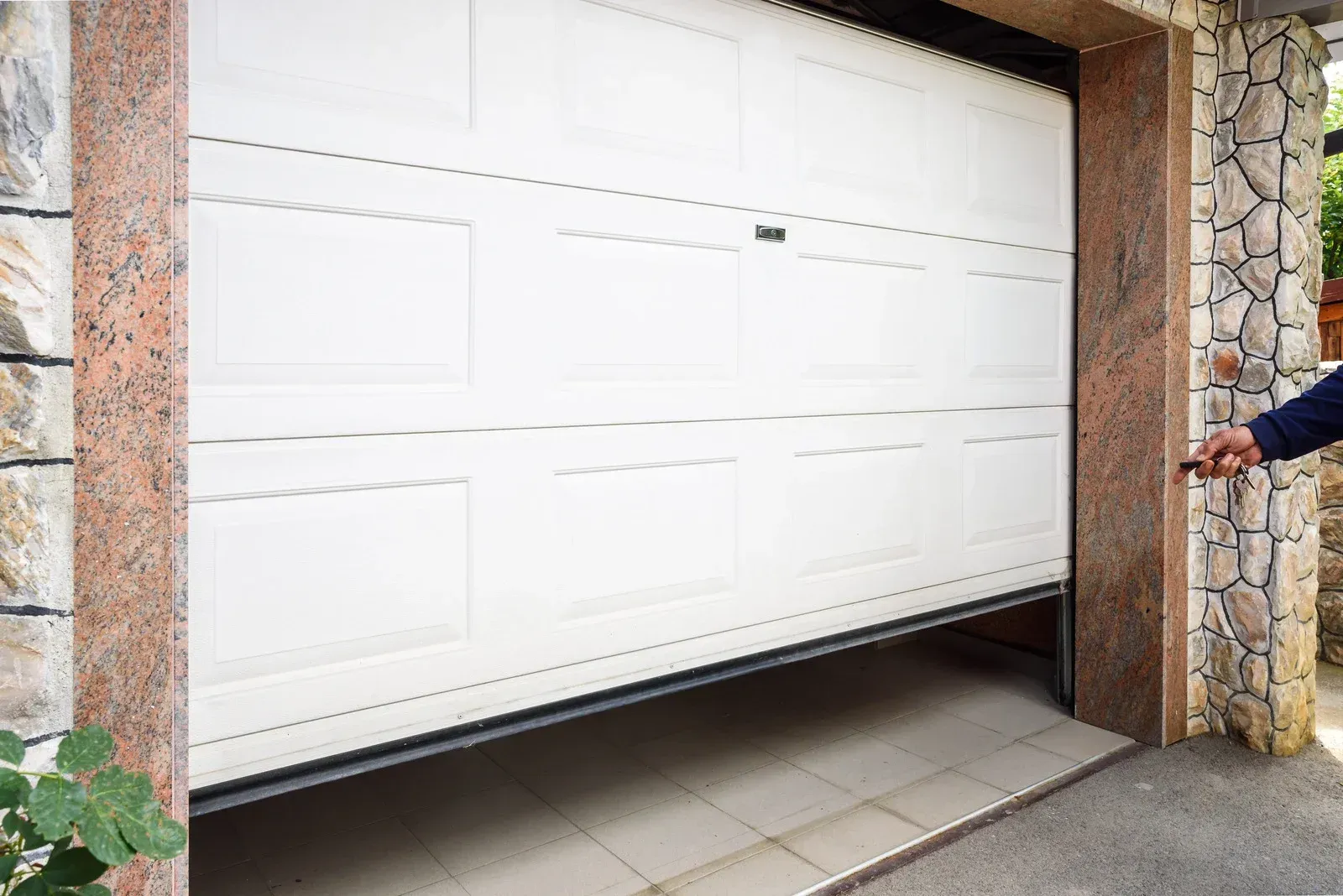
The door won't close all the way: It comes down, then reverses before touching the floor, or it stops a few inches short and sits there. This behavior is almost always the opener protecting you, either because the safety sensors think something is in the path or because the opener is told to stop at the wrong spot.
The door won't open all the way: It struggles upward, moves slowly, stops partway, or barely lifts off the floor at all. This usually means the door is heavier than the system can handle, which points to a spring that has lost tension or broken, a cable that has slipped, or something binding in the tracks.
The door moves crooked or makes a loud bang: One side lift higher than the other, or you heard a sound like a firecracker or a snapped bat before it quit. That is a mechanical failure, not an electronic one, and it moves this out of the checklist category immediately.
Watch a full cycle from a safe distance and note which of these you are seeing. It tells you where to look next.
Why Your Garage Door Won't Close All the Way
When a door refuses to seal against the floor, the culprit is usually one of these.
Blocked or dirty safety sensors: Two photo-eye sensors sit near the bottom of the tracks, sending an invisible beam across the opening. Anything breaking that beam while closing triggers a reversal — leaves, a trash can, a hose, or shifted boxes. Clear the area and try again.
Misaligned or sun-blinded sensors: A nudged bracket easily knocks sensors out of alignment; a steady light means they're aligned, blinking or dark means they're not. Late-afternoon sun can wash out the beam too. Wiping the lenses and realigning the bracket often fixes it.
Incorrect travel-limit settings: Your opener is programmed to know exactly how far the door should travel — the "down limit." If this drifts, the opener reverses too early or drives into the floor. Adjusting it is fussy and easy to overshoot, so precision matters.
Something in the track: A pebble, hardened grease, a loose bolt, or bent track can stop the door from seating fully. Check both vertical tracks for obstructions and note whether the door hesitates at the same spot each time — a sign of a physical blockage.
TIP: Before you assume the worst, pull the manual release cord (the red handle hanging from the trolley) with the door fully closed, then lift the door by hand. It should glide up smoothly and stay put around waist height. If it slams down or feels like it weighs a ton, the problem is mechanical, not electronic, and you can stop testing the opener. Re-engage the trolley when you are done.
Why Your Garage Door Won't Open All the Way
An opening problem is usually a strength problem. The door has gotten too heavy for the system to lift, and here is why.
A broken or worn torsion spring: Springs above the door carry its actual weight; the motor just guides it. A lost or snapped spring dumps that weight onto the opener, causing strain or partial lifts. Look for a visible coil gap or a loose spring — never repair this yourself.
A frayed, loose, or slipped cable: Steel cables run beside each spring, winding around drums to share the lifting load. A frayed, snapped, or slipped cable causes uneven lifting, track jams, or a crooked hang. Cables carry the same dangerous tension as springs and release just as violently.
Worn or damaged rollers: Rollers let the door glide along the track; worn, seized, or bearing-less ones drag instead of rolling, adding resistance the opener may not overcome. Humidity across Davie and Forsyth counties accelerates this wear, rusting cheap bearings and causing frequent stalls.
A bent or misaligned track: A dented, bent, or loosened track causes the door to bind as it passes the damaged section. A bumper tap backing into the track is a common cause, and the door typically stalls right at that exact height every time.
Worn opener drive components: Sometimes the opener itself is the problem — a stripped gear, worn belt, or slipping chain lets the motor run while the door barely moves. A humming or grinding sound without matching movement usually signals this issue.
WARNING: Torsion and extension springs, along with the lift cables, store an extraordinary amount of energy even when the door is just sitting there closed. A spring or cable that fails or is handled without the right tools can release that force in an instant and cause serious injury. Do not try to loosen, adjust, replace, or "just take a look at" a spring or cable yourself. This is the single most dangerous part of any garage door, and it belongs in the hands of a trained technician with the proper winding bars and equipment.
Quick Checks You Can Safely Do Yourself
If your door won't close all the way, run through these before anything else. None of them involve the springs, cables, or high-tension hardware.
Clear the sensor zone: Move everything away from both photo eyes and the door path, then try closing again.
Wipe the sensor lenses: Use a soft, dry cloth on both lenses and check that the indicator lights are steady rather than blinking.
Check the sensor alignment: Look at whether both brackets point straight across at each other. A gentle nudge is fine; forcing them is not.
Look for track obstructions: Scan both vertical tracks for debris, loose fasteners, or visible dents.
Test the wall button versus the remote: If the wall button works but the remote does not, you likely have a dead remote battery or a programming issue rather than a door problem.
Confirm the manual lock is disengaged:
Some doors have a slide lock or handle that, if bumped into the locked position, physically stops the door from moving fully. If the door still won't cooperate after these, or if your hand-lift test showed a heavy, unbalanced door, the next step is a professional diagnosis rather than more experimenting.
When It Is Time to Call a Technician
A few signs mean the guessing should stop. Call a pro when the door lifts crooked or one side lags behind the other, when you see a gap in a spring coil or a cable hanging loose, when the door slams shut or feels extremely heavy during the manual-lift test, when it stalls at the same spot every cycle, or when the opener strains, grinds, or hums without moving the door.
Across Mocksville, Clemmons, Advance, Lexington, Statesville, and the rest of the region, the seasonal mix of humidity, summer heat, and the occasional storm takes a steady toll on springs, cables, rollers, and sensor wiring. A technician can test spring balance, inspect cables for fraying, realign and re-secure sensors, dial in the travel limits, and check the opener's drive components in one visit, so the fix addresses the actual cause instead of the symptom. Catching a weak spring before it snaps, for example, is far less disruptive than dealing with a door that has already trapped your car inside.
Frequently Asked Questions
Why does my garage door close halfway then go back up?
The photo-eye sensors are usually to blame. If the beam is blocked, dirty, or misaligned, the opener reverses before reaching the floor. Clean the lenses, clear the area, and check for steady lights; otherwise, the down-limit setting may need adjusting.
Why won't my garage door open all the way anymore?
A door stopping partway while opening has usually gotten too heavy for the system, pointing to a weakened spring, slipped cable, worn rollers, or a bent track. Since springs and cables hold high tension, safe diagnosis and repair require a trained professional.
Is it safe to fix my garage door springs myself?
No. Torsion and extension springs store enormous energy and can release violently without proper winding bars and training. The same danger applies to lift cables. These parts cause the most serious garage door injuries and should always be handled by a technician.
My garage door sensors look fine but the door still won't close. What now?
If sensors are clean, aligned, and lit steadily, the culprit may be the opener's travel-limit settings, track obstructions, damaged wiring, or an internal fault. Sunlight hitting a lens can also interfere. A professional diagnosis pinpoints the exact cause quickly.
Can worn rollers stop a garage door from opening fully?
Yes. Worn, seized, or bearing-less rollers drag along the track, adding resistance that can stall the opener partway. Humidity common to the Piedmont region speeds this wear, especially with lower-grade rollers, making them a frequent cause of doors that won't open fully.
Why does my garage door stop at the same spot every time?
Stalling at the same height each cycle points to a physical issue there — a dent, bent track, loose bracket, bad roller, or trapped debris. Because the location repeats, a technician can inspect that section directly and correct the binding.
Trust the Professionals for a Complete Fix
A garage door is a balanced system — sensors, springs, cables, rollers, tracks, and the opener all work together to move the door through its full path. When one part slips out of tune, the door tells you by stopping short, reversing, or straining. The safe checks above clear up simple electronic and obstruction issues, but anything involving springs or cables requires proper equipment.
With 35+ years of experience serving Mocksville and the Piedmont Triad, North Carolina, Garage Door South diagnoses these deeper issues correctly the first time. For a door that still won't open or close all the way after the easy fixes, the problem likely lies in the high-tension components, and getting the whole system inspected and corrected safely in one visit saves time and prevents further strain.