Grinding, Squealing, or Banging? What Your Garage Door Noise Really Means
September 15, 2026
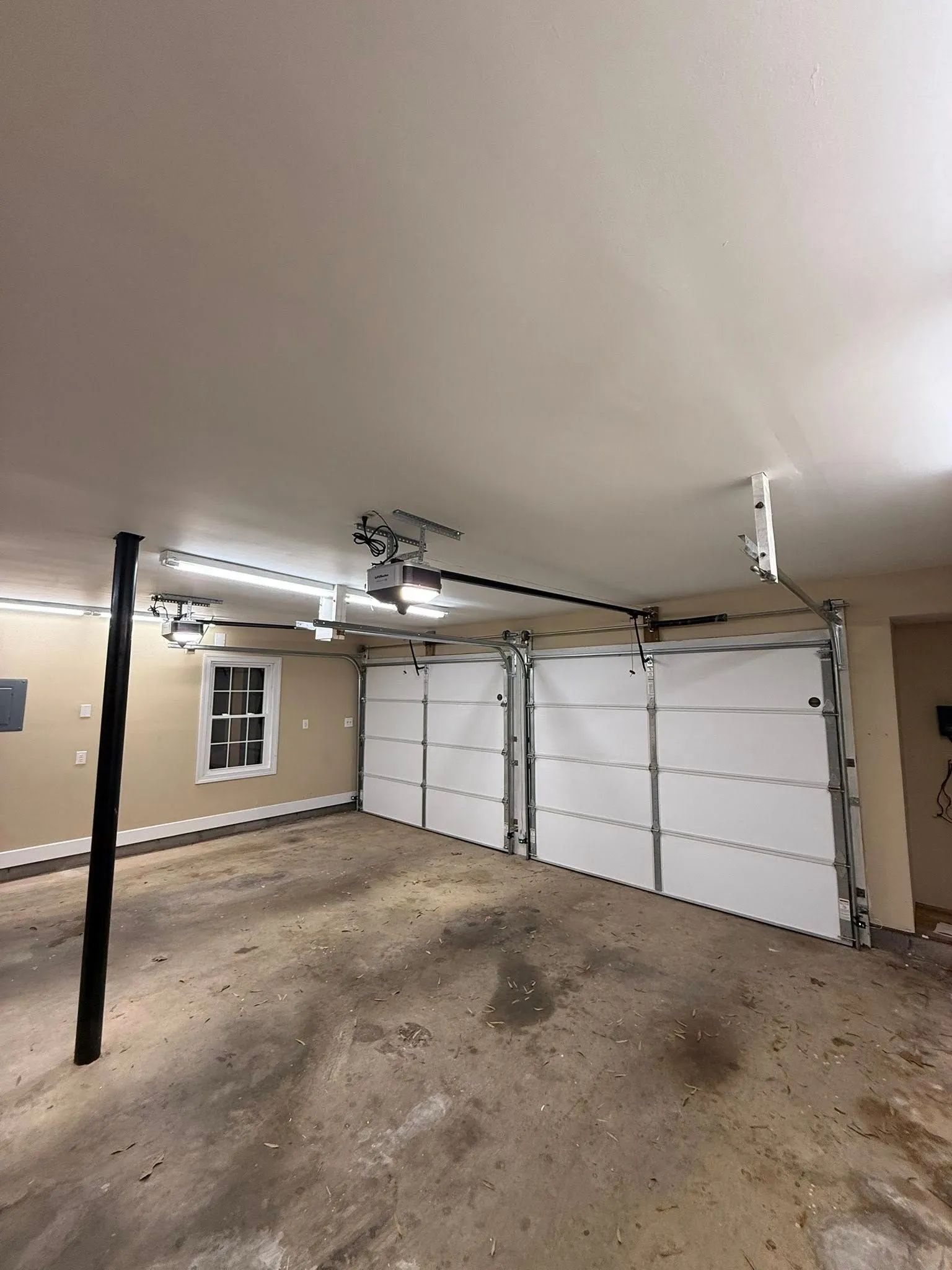
Quick Answer: A noisy garage door almost always points to one of five sources: dry or worn rollers and hinges, misaligned tracks, loose mounting hardware, a failing opener drive, or worn springs and cables. Squeaking and creaking usually mean friction from a lack of lubrication. Grinding points to metal parts fighting each other, whether that's a track out of alignment or gears wearing down inside the opener. Rattling is almost always loose hardware working itself free from vibration. A sudden bang or pop is the most serious sound of the group, and it usually means a spring has failed or is about to. Matching the sound to the component is the fastest way to know whether a problem needs a wrench or a professional.
The first time it happens, it's easy to write off. A slight squeal as the door lifts on a Tuesday morning, gone by the time you're backing out of the driveway. Then it comes back Thursday, a little louder, and by the following week the whole garage sounds like it, groaning through the opening cycle in a way that makes you glance up at the ceiling track every time. That progression, quiet complaint to loud protest, is how most garage door problems actually announce themselves. The door is a system of springs, cables, rollers, tracks, hinges, and a motor drive working together under real mechanical load, and when one part starts to fail, it usually makes a specific sound before it makes a specific mess.
Homeowners tend to lump every odd sound into one bucket labeled "the door is getting old." We hear that description on service calls constantly, and it almost never tells the real story. Each noise actually has a fairly narrow list of causes, and learning to tell them apart takes the guesswork out of deciding what to do next.
Squeaking and Creaking: The Sound of Dry Metal
A high-pitched squeal or a slow creak during the opening cycle is almost always friction. Garage door rollers ride inside a steel track, and hinges pivot every time a panel bends around the curve at the top of the opening. Both depend on a thin film of lubricant to keep metal from touching metal directly. Once that film dries out or washes away, the parts start rubbing, and the sound is the first warning you get before wear actually sets in.
Rollers And Hinges
Steel rollers without sealed bearings are the most common source of this sound, especially once the factory grease has broken down from heat and repeated cycling. Hinges that pivot dozens of times a day wear the same way.
Springs Under Tension
As torsion springs age, the coils can develop light surface corrosion or lose their factory coating. A groaning or creaking sound as the door lifts, rather than a sharp squeal, often traces back to spring coils rubbing against each other or against the shaft rather than to the rollers.
Tracks That Have Gone Dry
The track itself needs a light coating too. A track wiped clean of lubricant during cleaning, without reapplying anything afterward, will squeal even if the rollers are in good shape.
None of these are emergencies by themselves, but they are the earliest stage of wear, and catching them here is far cheaper than waiting for the next sound on this list.
Grinding and Scraping: When Parts Are Fighting the Path
Grinding is a different category of problem than squeaking. Where squeaking is friction on parts that are still doing their job, grinding usually means something is out of position or breaking down structurally. But the two sounds get mistaken for each other constantly, and telling them apart matters.
Misaligned Tracks
When a track shifts even slightly out of parallel, the rollers no longer glide, they scrape. This produces a harsher, metal-on-metal sound that tends to get louder as the door moves through the misaligned section rather than staying steady through the whole cycle.
Worn Bearing Plates
At each end of the torsion spring shaft sits a bearing plate that lets the shaft spin smoothly inside its bracket. Once that bearing wears out, the bare metal shaft grinds directly against the bracket every time the door cycles.
Opener Gear Wear
Chain and belt drive openers rely on an internal drive gear, often made of a harder-wearing nylon compound, to move the trolley along the rail. If the door is straining, whether from a failing spring or simple age, the motor's metal drive gear can chew into that nylon component and produce a grinding sound coming from the motor housing itself rather than from the door.
A useful way to narrow this down without touching anything dangerous is to watch and listen through a full cycle. If the grinding happens only while the opener is running the trolley, and the door still moves smoothly when it's not connected to power, the issue is more likely inside the opener unit. If it happens throughout the full range of motion regardless of the opener, the tracks or rollers are the more likely source. We think this simple listening test is the single most useful thing a homeowner can do before picking up the phone.
Rattling and Clicking: Loose Hardware Working Itself Free
Rattling and clicking sounds are usually the least dramatic on this list, and often the easiest to trace. Every time the door completes a cycle, the entire system vibrates, and that vibration slowly works fasteners loose over months and years.
Loose Brackets And Hinges
A bracket that has backed off even slightly from the frame will rattle every time the door passes it. The same goes for hinge bolts that were never fully torqued down or have loosened with age.
Chain Drive Slack
On a chain drive opener, a chain that has stretched or lost tension will slap against the rail during the start and stop of each cycle, producing a rhythmic rattling or clicking sound that's easy to mistake for a hardware problem elsewhere on the door.
Worn Opener Gears
A steady clicking sound coming specifically from the motor housing, rather than the door itself, often points to gears inside the opener that have started to wear unevenly.
Loose hardware sounds alarming but is usually the easiest fix on this list, since tightening a bracket or hinge bolt doesn't involve any stored mechanical tension.
The sounds below do.
TIP: A simple monthly check catches most rattles before they get worse. Walk the length of both tracks and give every mounting bracket a light tug by hand. Check the bolts holding the hinges to each panel. If anything moves more than a fraction of an inch, it needs to be snugged down before the next cycle loosens it further.
Where Springs and Cables Fit In
Broken or failing springs and frayed cables produce their own distinct sound category, and it's the one that deserves the most caution. A torsion spring that has fully broken makes a sudden, loud bang, often compared to a car backfiring, as the coil releases all its stored tension at once. A spring that hasn't fully failed yet but is close may produce a lower groan or creak under load rather than a bang, since the door has to work harder to lift with a weakened spring assisting it. Frayed cables can create a similar strained, uneven sound as they catch and slip against the drum rather than winding smoothly..
WARNING: Springs and cables operate under extreme tension and are one of the most common causes of serious injury during garage door repairs. If you hear a loud bang, notice a cable that looks frayed or off its track, or see a gap in a coiled spring, do not attempt to adjust, tighten, or replace it yourself, and do not try to open or close the door by hand until it has been inspected. These repairs require specialized tools and training, and mishandling a loaded spring or cable can cause severe injury. This is one job that always calls for a trained technician.
Frequently Asked Questions
Why does my garage door only squeak in the morning?
Cooler overnight temperatures thicken lubricant and contract metal parts, briefly increasing friction on rollers and hinges until the system warms up. A squeak that fades after a cycle or two usually means lubricant needs reapplying.
Is it safe to lubricate my own garage door?
Yes. A light coat of silicone or lithium based lubricant on rollers, hinges, and tracks is routine maintenance with no stored tension involved. Avoid general purpose oils, and never lubricate or adjust the springs themselves.
What does a popping sound from my garage door mean?
A single sharp pop is often a spring coil catching briefly as it flexes, common in older springs low on factory lubrication. Repeated popping in the same spot suggests the spring is nearing failure.
Why is my garage door opener louder than it used to be?
Gradual opener noise usually traces to chain slack, worn drive gears, or a trolley wearing on the rail. Since a straining opener sometimes compensates for a weak spring, check the door's balance too.
Can humidity or heat make my garage door noisier?
Yes. Piedmont Triad humidity and summer heat expand metal tracks and hardware, tightening clearances and creating new friction points. Storm humidity also speeds surface rust, changing how parts move and often adding new noise.
How often should I have my garage door inspected for wear?
An annual inspection is standard, with a mid-year check for doors seeing heavy daily use. Catching worn rollers, loose hardware, or early spring wear during routine inspection beats discovering it the day the door quits.
What a Garage Door's Sounds Are Telling You
A garage door rarely fails without warning first. A new squeak, a rattle that appeared last month, a grinding sound only on cold mornings, each is the system flagging which part is under stress before it actually breaks. Paying attention to what changed, and when, turns a vague complaint about a loud door into a short, specific list of likely causes. That habit alone catches most problems while they are still a simple fix.
Garage Door South
has diagnosed noisy doors across Mocksville and the Piedmont Triad, NC for 35+ years, tracing every squeak, grind, and bang back to its actual source rather than guessing at the loudest symptom. That depth of experience is what separates a five minute adjustment from a repair that gets missed until the door stops working altogether. A door that sounds right is one that is still working the way it should.